Schedule An Appointment
Oprime el botón para leer este sitio en español
ESPAÑOL

Category: Blog

A dentist looking at cavities

4 Signs Your Child Has Cavities

As a parent, there’s a lot to think about for the care of your child, including their oral health. So how do you know if your child has a cavity? All About Kids Dental is a Denver-area pediatric dentist with four locations to better serve you. Below, we’ll take a look at four signs your child has cavities. Schedule your dental appointment today!

A young girl holding her cheek in pain

Tooth Pain

One of the more obvious signs of cavities is tooth pain. This is because cavities are essentially damaged areas of the tooth where decay has settled in, often leaving holes or empty spots. As you can imagine, when your child eats, this empty spot can get food in and reach more sensitive areas of the tooth.


A child eating something on a fork

Sensitive to Foods

Sensitivity to certain foods is often because the enamel of the child’s tooth has worn down. This can leave other areas of the tooth, such as the dentin exposed, that then affects the tooth’s nerve. This is what causes tooth pain while eating certain foods, such as hot or cold foods or even sweet foods.


A child flossing her teeth

Spots on Your Child’s Tooth

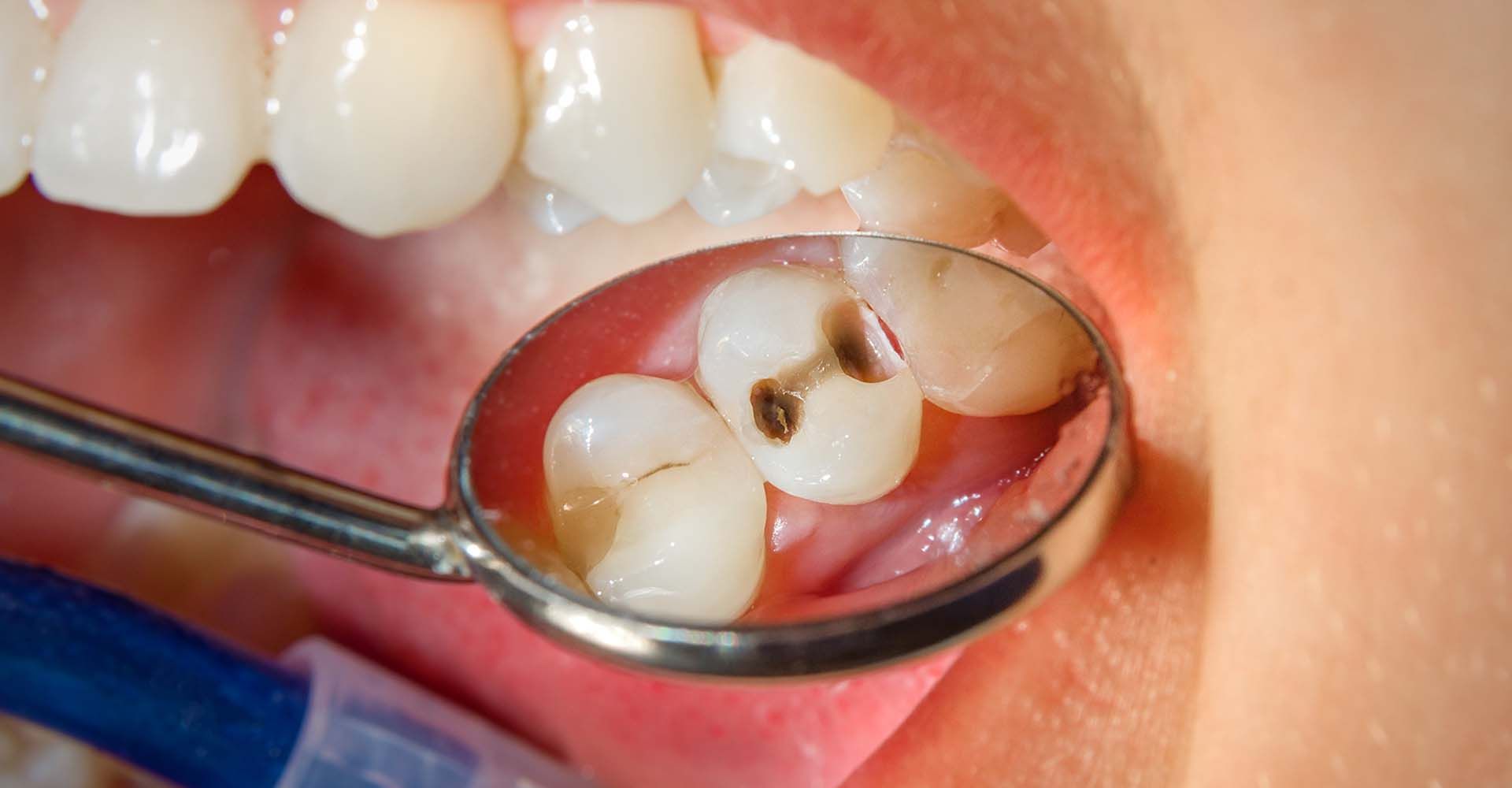
Cavities are dark, often black, in appearance, so if you see dark spots in the middle or the sides of your child’s tooth, it may be a cavity. Furthermore, white spots can also appear. These are a sign of mineral loss in the tooth and should be evaluated by your pediatric dentist in Denver.


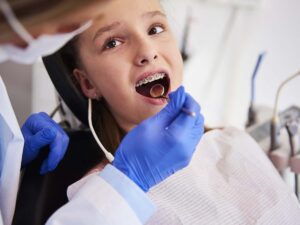
A child at the dentist

Hole in Tooth

Another classic sign of cavities in kids is a hole in their tooth. Oftentimes, holes begin as white spots on the tooth and then they eventually worsen, forming a pit or a hole. These holes can also form on the sides of teeth, too.


CHOOSE KIDS CHOICE DENTAL TODAY

All About Kids Dental is proud to offer the best pediatric dental services to children in the Denver metro area. Our team has years of experience helping to ensure your child’s best oral health. We accept most major dental insurance, and we are accepting new patients. Give us a call to learn more or to schedule your child’s dental appointment today!

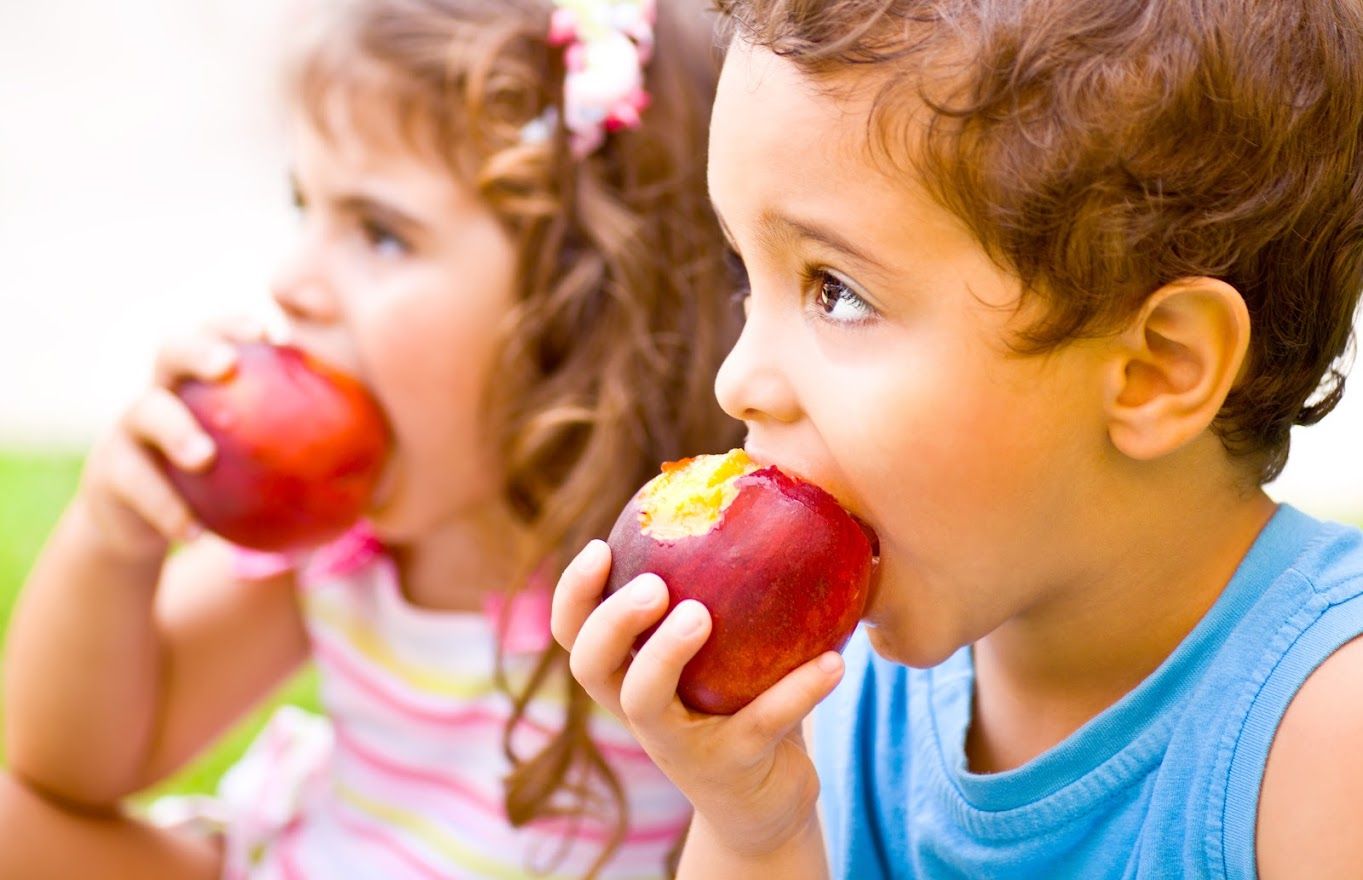
two kids eating

Alimentos, Bebidas Y Los Dientes De Su Hijo O Hija

Cómo ciertos alimentos y bebidas afectan a los dientes de tu hijo o Hija

El cuidado de los dientes y la salud bucal de su hijo/a requiere mucho trabajo, y es fácil deshacer todo ese trabajo con una mala dieta. Muchos alimentos son perjudiciales para los dientes de su hijo/a, pero otros pueden ayudar a mantenerlos limpios o favorecer un esmalte dental sano. Si quiere saber más, siga leyendo.

Alimentos y Bebidas Azucaradas

Los alimentos y bebidas azucaradas incluyen caramelos, galletas, refrescos, jugos y mucho más. Estos alimentos son una amenaza directa para los dientes porque el azúcar que contienen se combina con las bacterias naturales de la boca de su hijo/a. Esto forma rápidamente una capa pegajosa sobre los dientes y las encías: la placa. Si se deja en los dientes, la placa puede desgastar el esmalte y acabar convirtiéndose en sarro duro. A medida que el esmalte se desgasta, los dientes de su hijo/a quedan expuestos a la sensibilidad y la caries. Un estudio realizado en Finlandia reveló que consumir sólo una o dos bebidas azucaradas al día puede aumentar en un 31% las probabilidades de sufrir caries. Además, muchos alimentos azucarados son pegajosos, como los caramelos masticables. La naturaleza pegajosa de los alimentos hace que se adhieran mejor a los dientes, por lo que la saliva natural de su hijo/a no puede eliminarlos rápidamente. Cuanto más tiempo esté el diente en contacto con el alimento pegajoso y azucarado, mayor será el riesgo de caries.

Carbohidratos

A las bacterias bucales de la boca de tu hijo les encantan los carbohidratos, e incluso les hace crear un subproducto ácido, que puede dañar el esmalte dental de tu hijo al igual que los alimentos y bebidas ácidas. A su vez, si su hijo/a come muchos carbohidratos como pan blanco, pasteles, papas fritas, etc., es tan malo como comer alimentos azucarados para la salud bucal de su hijo/a.

Alimentos Y Bebidas Acídicos

En algunos alimentos, el problema no es sólo el azúcar. Muchos alimentos y bebidas son acídicos, como los refrescos, los jugos cítricos y los frutas cítricas. El ácido puede ablandar el esmalte al entrar en contacto con los dientes, lo que aumenta el riesgo de caries y sensibilidad a medida que el esmalte se desgasta. El ácido es tan bueno ablandando el esmalte que los dientes pueden estar demasiado blandos para cepillarlos justo después de que su hijo/a beba refrescos. El cepillado podría eliminar parte del esmalte, por lo que su hijo/a debe esperar aproximadamente una hora antes de que el esmalte vuelva a endurecerse. Las frutas y verduras son estupendas porque no contienen altos niveles de azúcar, y la mayoría no contienen altos niveles de ácido. Sin embargo, pueden ayudar a los dientes de su hijo de otras maneras. En primer lugar, las frutas y verduras contienen mucha agua. Esta agua ayuda a estimular la producción de saliva, que contribuye a mantener la boca limpia de forma natural. En segundo lugar, algunas frutas y verduras son duras, como las manzanas y las zanahorias. Éstas pueden ayudar a eliminar fragmentos de azúcar y placa al raspar los dientes.

Alimentos Y Bebidas Ricos En Calcio

El calcio es crucial para construir y mantener sanos los dientes y el esmalte. Por eso, los alimentos ricos en calcio son una gran elección para su hijo/a. Naturalmente, los productos lácteos son una de las formas más fáciles de aportar calcio a la dieta de su hijo/a, y algunos tipos de queso pueden incluso limpiar los dientes igual que las frutas y verduras duras. Sin embargo, hay otras formas de incorporar calcio, como el pescado en conserva, las verduras de hoja verde, las legumbres y el brócoli. Además, puede enriquecer los alimentos y bebidas con calcio añadiendo suplementos si teme que su hijo no está ingiriendo suficiente. Comprender los peligros de algunos alimentos y bebidas es imprescindible para mantener sanos los dientes y encías de su hijo/a. Aunque el azúcar y los carbohidratos pueden estar bien con moderación, una dieta rica en ellos puede estropear los dientes de su hijo, provocándole dolor y costosas intervenciones. Si desea obtener más información, o si desea programar una cita, contáctenos en All About Kids Dental y All About Kids hoy mismo.

two kids eating apples

Foods, Beverages, and Your Child’s Teeth

How Certain Foods and Beverages Affect Your Child’s Teeth Body

Caring for your child’s teeth and oral health takes a lot of work, and it’s easy to undo all that work with a bad diet. Many foods are detrimental to your child’s teeth, but others may help keep them clean or promote healthy tooth enamel. If you would like to learn more, keep reading. Sugary Foods and Beverages Sugary foods and beverages include candies, cookies, soda, juice, and much more. They pose a direct threat to teeth because the sugar in the foods combines with the natural bacteria in your child’s mouth. This quickly leads to a sticky film on teeth and gums: plaque. If left on teeth, plaque can wear down enamel and eventually turn into hard tartar. As the enamel wears, your child’s teeth are exposed to sensitivity and decay. One study in Finland found that consuming only one or two sugary drinks a day might increase your chances of tooth decay by 31 percent. In addition, many sugar foods are sticky, like chewy candies. The sticky nature of the food causes it to stick to teeth better, so your child’s natural saliva cannot remove it quickly. The longer the tooth is in contact with the sticky, sugary food, the higher the risk of decay. Carbohydrates The oral bacteria in your child’s mouth love carbohydrates, and it even causes them to create an acid byproduct, which can harm your child’s tooth enamel just like acidic food and beverages. In turn, if your child eats a lot of carbohydrates like white bread, pastries, chips, etc., it is just as bad as eating sugary foods for your child’s oral health. Acidic Foods and Beverages With some foods, it is not just sugar that is the problem. Many food and beverages are acidic, such as soda, citric juices, and citrus fruits. The acid can soften enamel with it meets teeth, which leads to an increased risk of tooth decay and sensitivity as the enamel erodes. The acid is so good at softening enamel that teeth may be too soft for brushing right after your child drinks soda. Brushing could remove some enamel, so your child should wait about an hour before the enamel re-hardens. Fruits and vegetables are great because they do not contain high levels of sugar, and most do not contain high levels of acid. However, they can help your child’s teeth in other ways. First, fruits and vegetables hold a lot of water. This water helps stimulate saliva production, which helps keep the mouth clean naturally. Second, some fruits and vegetables are hard, like apples and carrots. These can actually help remove bits of sugar and plaque when you eat them by scraping against the teeth. Calcium-Rich Foods and Beverages Calcium is crucial to build and keep teeth and enamel healthy. Therefore, calcium-rich foods are a great choice for your child. Naturally, dairy products are one of the easiest ways to get calcium in your child’s diet, and some types of cheese may even clean teeth just like hard fruits and vegetables. However, there are other ways to incorporate calcium, such as canned fish, leafy greens, beans, and broccoli. Plus, you can fortify foods and beverages with calcium by adding supplements if you fear your child isn’t getting enough. Understanding the dangers of some foods and beverages is imperative to keep your child’s teeth and gums healthy. While sugar and carbohydrates may be okay in moderation, a diet heavy in them can ruin your child’s teeth, leading to pain and expensive procedures. If you would like to learn more, or if you want to schedule an appointment, contact us at All About Kids Dental today.

© All Rights Reserved.